
Nov 13, · Plants based medicinal constituents can be derived from any part of plant like bark, leaves, flowers, roots, fruits, and seeds. (Srivastava P.K., ) Various medicinal plants and their phytoextracts have shown numerous medicinal properties like antioxidant, antiinflammatory, anti-cancer, anti-microbial, anti-diabetes, anti- nociceptive action, etc.(Ullah N., et al).4/5(1) After reading this essay we will discuss about: 1. History of Medicinal Plants 2. Source of Active Principles 3. Plant Drug with Proven Pharmacological and Therapeutic Efficacy 4. Autonomic Indigenous Drugs 5. Anthelmintics of Herbal Origin 6. Anti-Microbial Agent 7. Plants Possessing Unique Pharmacological Actions. Essay # History of Medicinal Plants:Estimated Reading Time: 8 mins These ten medicinal plants are as follows: Ampalaya, Garlic, Ginger, Guava, Lagundi, Malunggay, Oregano, Papaya, Sambong and Squash. This study focuses on the therapeutic category of each plants/parts of the plant and procedures on how to avail its therapeutic value
Essay - the Importance of Medicinal Plants - Term Paper
We use cookies to give you the best experience possible. A limited time offer! Get a custom sample essay written according to your requirements urgent 3h delivery guaranteed. Herbal medicine is the use of herbs or plants for their therapeutic or medicinal value.
This practice is becoming popular nowadays due to the use of natural ingredients rather than synthetic ones. Though only a few people believe in its effectiveness, essay on medicinal plants, many researches have been conducted so that other people will start to trust its efficacy, essay on medicinal plants.
The research is all about the ten 10 herbal plants that the researchers have chosen with their corresponding treatment. These plants were chosen based on its therapeutic value in treating the common illness or disease experienced by a typical Filipino. These plants are the following: ginger, malunggay, lagundi, ampalaya, papaya, essay on medicinal plants, oregano, garlic, guava, sambong, and squash. It aims to find out what part of a plant treats a specific illness so that this knowledge can be used by other people who experienced this disease.
Background of the Study. Herbal medicine started during the olden days when people used leaves and plants for their sickness. The person who usually does that is termed as traditional healers or herbal doctors. These start of as a trial and error basis and the knowledge they had gained was passed on by words of mouth or a part of tradition from one generation to the other. In the Philippines, the practice of herbal medicine in the province is very common. They just try anything out and choose the plant that they think is more effective.
Through generations of selective process, the herbs that were known to be effective were kept alive and the ineffective ones were soon forgotten. These herbs are also used now since it is less expensive compared to modern essay on medicinal plants. It will also help the people understand some advantages and disadvantages of using this kind of practice. Setting of the Study. This study will be conducted at Centro Escolar University, Manila. CEU is a non-sectarian private university located at Mendiola St.
It was established on June 3, by Doňa Librada Avelino and Doňa Carmen de Luna for the instruction and training of the youth essay on medicinal plants all branches of the arts and sciences.
With some benches, essay on medicinal plants, a single blackboard and a few books, the two educators steadfastly nurtured a dream of establishing a nationalistic center of learning for Filipino women. The first college which is Pharmacy opened essay on medicinal plants The College of Liberal Arts, Education and Dentistry followed one after the other.
Three years later, the College of Optometry was established. The university caters the instruction and training of the Filipino youth in studies that focus on the arts, humanities, sciences and allied medicine. CEU is also known for its Dentistry and Pharmacy graduates. All of the academic programs that the university offers are accredited levels 2, 3, and 4 by the Federation of Accrediting Agencies of the Philippines. Meanwhile, the researchers will conduct most of their researches at the university library, which offers a vast collection of resource materials that is useful in obtaining relevant data for the study.
The resources consist of print, non-print collection and electronic materials. Print materials are composed of volume of books supplemented with foreign and local periodical titles. Non-print materials include the CD-ROMS of books and periodicals and microfilms. Internet facilities are available for electronic resources and online subscriptions to professional journals.
The university library is located on the first mezzanine and second floors of the Carmen De Luna Hall Essay on medicinal plants and on the second floor of the Librada Avelino Hall LAH.
Theoretical Framework. Herbal medicine is an ancient technique which is still practiced today. From the Middle Ages onward, they can classify it based on observations and by gathering scientific evidence.
Because of all these classifications, 3 branches of herbal medicine are practiced: Western Herbal Medicine, Ayurvedic and Chinese Herbal Medicine. This study will essay on medicinal plants guided by the Western Herbal Medicine which has its roots both in the indigenous practices of the British Isles and in the European and Greco- Roman traditions. Its therapy is directed at the causes not just essay on medicinal plants presenting symptoms.
The choice of the herbs will be based on that assessment and this treatment is usually backed up with an appropriate advice on lifestyle to create an ambience of trust and positivism in the therapeutic relationship. Conceptual Framework. Figure 1 shows the process that will be done in this study. The research work of the researchers on ten 10 herbal plants will determine what specific illnesses the mentioned herbs will treat.
Uing the system model, the input includes the ten 10 herbal plants to be researched, namely, Ginger, Lagundi, Ampalaya, Garlic, Guava, Manlunggay, Sambong, and Squash. Meanwhile, the process includes the assessment and ways to determine the answer to the main problem.
Lastly, the output will essay on medicinal plants the proposed program to promote the use of herbal medicine. Statement of the Problem This research aims to enumerate the ten local medicinal plants commonly used to treat various illnesses.
It intends to elaborate how these plants mitigate and treat those ailments and to determine the advantages and disadvantages brought about by using these medicinal plants. This study aims to answer the following questions: 1. What are the ten medicinal plants commonly used in the Philippines? What are the diseases that can be treated by the said medicinal plants in the study? How do these medicinal plants help in treating and mitigating physiologic or pathologic conditions?
Is it advisable to use herbal medicine rather than commercial ones? What is the importance of Herbalism in Healthcare system today? What are the factors associated in using plant medicines for healthcare needs in the study? Assumptions of the Study. The research study is anchored on the assumption that the data gathered by the researchers regarding the ten medicinal plants Ampalaya, Ginger, Garlic, essay on medicinal plants, Guava, Lagundi, Malunggay, Oregano, Papaya, Sambong and Squash are proven and was tested by a professionally capable researcher.
The study also assumes that the resource materials were relevant and reliable. Moreover, the gathered data were assumed to be properly compiled and integrated together to form a reliable and true research study.
At the end of the study the researchers assume that there is enough scientific studies to justify the blooming market of medicinal plants in the Philippines and that the Filipinos are very dynamic and are looking forward for new innovations regarding herbalism.
Significance of the Study. Regardless of the technological advancement brought about by the modern era, poverty is still one of the most debilitating problems among third world countries. In such economic state, access to basic necessities such as food, shelter, security, and education have been difficult to achieve especially with health care.
Furthermore, medicinal plants take in hand not only the need to use medicine as a component of health services but also to the need for increased awareness of the benefits of the herbal medicines, essay on medicinal plants. Such advantageous effects, however, are still unavailable at the present time. Currently, the distribution and variety of medicinal plants is not well documented that productive research and development in the field cannot set off.
Thus, the results of this research is fundamental for the current description and evaluation of the researchers biodiversity as well as for the future researchers that will need the database collected as basis for their future study on local medicinal plants. And lastly, documentation of the researchers local medicinal plants will increase awareness and attention on the medicinal plants; eventually leading to a dependable information on the traditional use of medicinal plants and serve as a bridge between traditional and modern medicine.
Lastly, the research will give the group an opportunity to perform a community-based qualitative and quantitative study. It will provide knowledge, experience and know-how to explore the essay on medicinal plants of ethno-pharmacology in the Philippines. Scope, Delimitation, and Limitation of the Study This study will be concerned with the ten medicinal plants chosen by the researchers that are used to treat common sickness of a typical Filipino.
These ten medicinal plants are as follows: Ampalaya, Garlic, Ginger, Guava, Lagundi, essay on medicinal plants, Malunggay, Oregano, Papaya, Sambong and Squash.
It will not consider the adverse reactions that might occur in the body using the mentioned medicinal plants. Definition of Terms. The following items are defined according to the context in which they will be used in the study for a clearer understanding of what they mean.
It is a bodily disorder or chronic. Bitter melon ampalaya. It is a tropical and subtropical vine of the family Cucurbitaceae, widely grown in Asia, Africa, and the Caribbean for its edible fruit, which is among the most bitter of all fruits. This is a plant of tropics.
It is an abnormal condition affecting the body of an organism. It is a bulbous plant. It grows up to 0. in height. It produces hermaphrodite flowers. It is the rhizome of the plant Zingiber Officinale, consumed as a delicacy, medicine or spice. It is a plant in the myrtle family genus which contains about species of tropical shrubs and small trees.
Guavas are now cultivated and naturalized through the tropics and subtropics countries. Healthcare system. It is the organization of people, institutions, and resources to deliver health care services to meet the health needs of target populations. It is the study and use of medicinal properties of plants. It essay on medicinal plants to a plant used for flavoring, essay on medicinal plants, food, medicine or perfume.
It is a state of poor health. Illness is sometimes considered as an another word for disease. It is an erect, branched tree or shrub that grows to as much as 5 m high.
Lagundi has a single thick, woody stem like a trunk and is usually seen in swamps of the Philippines. Moringa oleifera.
Intro to Medicinal Plants - Bates Botanical Bootcamp
, time: 1:07:01Essay On Medicinal Plants - Words | Internet Public Library
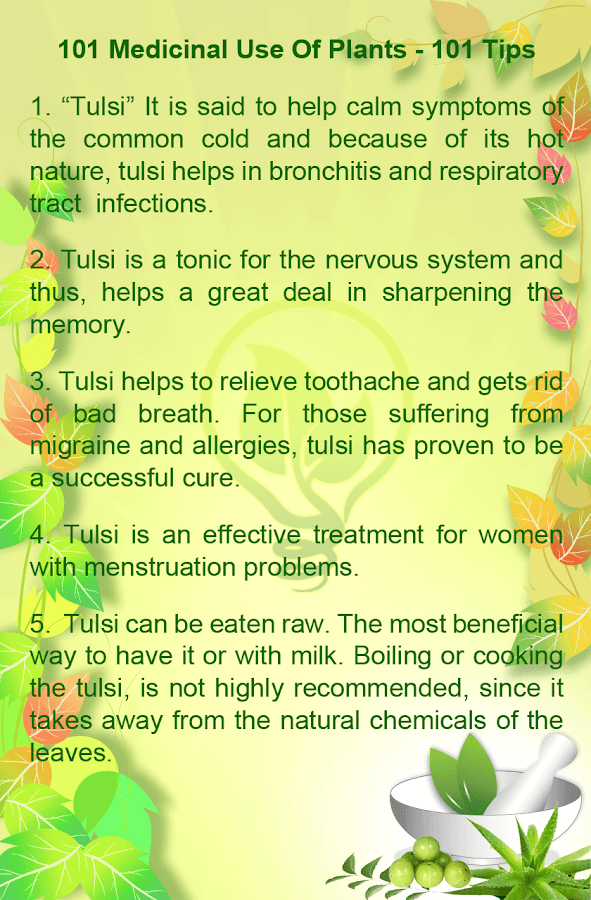
Hibiscus sabdariffa Linn, or Roselle, is a medicinal plant used extensively in traditional Thai medicine since ancient times. The extracts of Roselle calyces possess antioxidant activity and have potential for development as active ingredients in cosmetic products These ten medicinal plants are as follows: Ampalaya, Garlic, Ginger, Guava, Lagundi, Malunggay, Oregano, Papaya, Sambong and Squash. This study focuses on the therapeutic category of each plants/parts of the plant and procedures on how to avail its therapeutic value The bioactive compounds of medicinal plants are used as anti-diabetic, chemotherapeutic, anti-inflammatory, anti-arthritic agents where no satisfactory cure is present in modern medicines. The use of plants for medicinal purposes dates back to antiquity because they contain components of therapeutic value [7]. Medicinal plants are cheaper and more accessible to most of the population in the blogger.comon: Tracheophyta

No comments:
Post a Comment