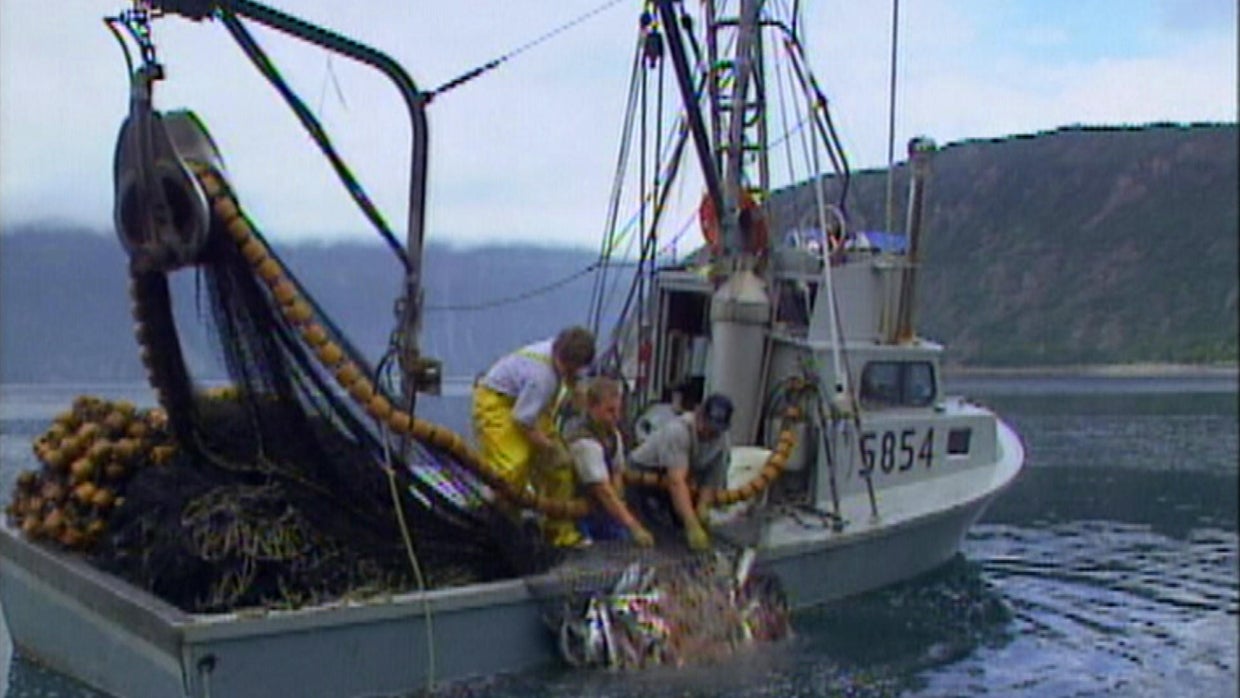
Alaska's coastal communities depend on healthy marine resources to support commercial and recreational fisheries, tourism, and the Alaskan way of life. Our mission at NOAA Fisheries Alaska Regional Office is the science-based stewardship of Alaska’s marine resources and their habitats in the Gulf of Alaska, eastern Bering Sea, and Arctic oceans The Santa Barbara oil spill occurred in January and February in the Santa Barbara Channel, near the city of Santa Barbara in Southern blogger.com was the largest oil spill in United States waters by that time, and now ranks third after the Deepwater Horizon and Exxon Valdez spills. It remains the largest oil spill to have occurred in the waters off California Oct 29, · “When you hear oil spill, everyone thinks Exxon Valdez,'' Zelien said, referring to the tanker that ran aground in in Prince William Sound, Alaska and spilled millions of gallons
Deepwater Horizon Oil Spill in the Gulf of Mexico - Marine Mammal Commission
The Deepwater Horizon oil spill was an industrial disaster that began on 20 Aprileffects of exxon oil spill on commercial fisheries, in the Gulf of Mexico on the BP -operated Macondo Prospect[6] [7] [8] [9] considered to be the largest marine oil spill effects of exxon oil spill on commercial fisheries the history of the petroleum industry and estimated to be 8 to 31 percent larger in volume than the previous largest, the Ixtoc I oil spillalso in the Gulf of Mexico.
The U. federal government estimated the total discharge at 4. A massive response ensued to protect beaches, wetlands and estuaries from the spreading oil utilizing skimmer ships, floating boomscontrolled burns and 1. Oil cleanup crews worked four days a week on 55 mi 89 km of Louisiana shoreline throughout Numerous investigations explored the causes of the explosion and record-setting spill.
Government report, published in Septemberpointed to defective cement on the well, effects of exxon oil spill on commercial fisheries, faulting mostly BP, but also rig operator Transocean and contractor Halliburton. In NovemberBP and the United States Department of Justice settled federal criminal charges, with BP pleading guilty to 11 counts of manslaughtertwo misdemeanorsand a felony count of lying to Congress.
BP also agreed to four years of government monitoring of its safety practices and ethics, and the Environmental Protection Agency announced that BP would be temporarily banned from new contracts with the US government. In Septembera U. District Court judge ruled that BP was primarily responsible for the oil spill because of its gross negligence and reckless conduct. The Deepwater Horizon was a 9-year-old [30] semi-submersible, mobile, floatingdynamically positioned drilling rig that could operate in waters up to 10, ft 3, m deep.
The well is situated in the Macondo Prospect in Mississippi Canyon Block MC of the Gulf of Mexicoin the United States' exclusive economic zone. The Macondo well is found roughly 41 mi 66 km off the Louisiana coast.
At approximately pm CDTon 20 Aprilhigh-pressure methane gas from the well expanded into the marine riser and rose into the drilling rig, where it ignited and exploded, engulfing the platform.
Coast Guard USCG search operation and are believed to have died in the explosion. The oil leak was discovered on the afternoon of 22 April when a large oil slick began to spread at the former rig site.
Internal emails released in showed that one BP employee had estimates that matched those of the FRTG, effects of exxon oil spill on commercial fisheries, and shared the data with supervisors, but BP continued with their lower number. According to the satellite images, the spill directly affected 70, sq mikm 2 of ocean, which is comparable to the size of Oklahoma. There was a report detailing the release of thousands of tons of hydrocarbon gases HC into the atmosphere.
Concerns were raised about the appearance of underwater, horizontally extended plumes effects of exxon oil spill on commercial fisheries dissolved oil. Researchers concluded that deep plumes of dissolved oil and gas would likely remain confined to the northern Gulf of Mexico and that the peak impact on dissolved oxygen would be delayed and long lasting. Subsurface oil remained offshore and in fine silts. Inmore than 4, lb 2, t of "oiled material" was removed from the Louisiana coast.
Regular cleanup patrols were no longer considered justified but cleanup was being conducted on an as-needed basis, in response to public reports. It was first thought that oil had not reached as far as Tampa Bay, Florida ; however, a study done in found that one of the plumes of dispersant-treated oil had reached a shelf 80 mi km off the Tampa Bay region. According to researchers, there is "some evidence it may have caused lesions in fish caught in that area".
First, BP unsuccessfully attempted to close the blowout preventer valves on the wellhead with remotely operated underwater vehicles. While this technique had worked in shallower water, it failed here when gas combined with cold water to form methane hydrate crystals that blocked the opening at the top of the dome. BP then inserted a riser insertion tube into the pipe and a stopper-like washer around the tube plugged at the end of the riser and diverted the flow into the insertion tube.
A final device was created to attach a chamber of larger diameter than the flowing pipe with a flange that bolted to the top of the blowout preventer and a manual valve set to close off the flow once attached.
On 15 July, the device was secured and time was taken closing the valves to ensure the attachment under increasing pressure until the valves were closed completing the temporary measures. Transocean's Development Driller III started drilling a first relief well on 2 May GSF Development Driller II started drilling a second relief on 16 May Pumping continued for eight hours, at the end of which the well was declared to be "in a static condition.
On 3 Septemberthe effects of exxon oil spill on commercial fisheries failed blowout preventer was removed from the well and a replacement blowout preventer was installed. In MayBP admitted they had "discovered things that were broken in the sub-surface" during the "top kill" effort. Oil slicks were reported in March [94] and August[95] [96] in March [11] and October effects of exxon oil spill on commercial fisheries, [97] [98] [99] and in January The USCG initially said the oil was too dispersed to recover and posed no threat to the coastline, [] but later warned BP and Transocean that they might be held financially responsible for cleaning up the new oil.
In OctoberBP reported that they had found and plugged leaking oil from the failed containment dome, now abandoned about 1, ft m from the main well. According to BP and the USCG, it is "not oil and it's not harmful. In JanuaryBP said that they were continuing to investigate possible sources of the oil sheen.
Chemical data implied that the substance might be residual oil leaking from the wreckage. If that proves to be the case, the sheen can be expected to eventually disappear. Another possibility is that it is formation oil escaping from the subsurface, using the Macondo well casing as flow conduit, possibly intersecting a naturally occurring fault, and then following that to escape at the surface some distance from the wellhead.
If it proves to be oil from the subsurface, then that could indicate the possibility of an indefinite release of oil. The oil slick was comparable in size to naturally occurring oil seeps and was not large enough to pose an immediate threat to wildlife.
The fundamental strategies for addressing the spill were containment, dispersal and removal. In summerapproximately 47, people and 7, vessels were involved in the project. As of January [update]personnel were still involved.
In Maya local native set up a network for people to volunteer their assistance in cleaning up beaches. Boat captains were given the opportunity to offer the use of their boats to help clean and prevent the oil from further spreading.
To assist with the efforts the captains had to register their ships with the Vessels of Opportunity; however, an issue arose when more boats registered than effects of exxon oil spill on commercial fisheries participated in the clean-up efforts — only a third of the registered boats. Many local supporters were disappointed with BP's slow response, prompting the formation of The Florida Key Environmental Coalition.
This coalition gained significant influence in the clean-up of the oil spill to try to gain some control over the situation. Booms extend 18—48 in 0. Including one-time use sorbent booms, effects of exxon oil spill on commercial fisheries, a total of 13, ft 4, km of booms were deployed. The Louisiana barrier island plan was developed to construct barrier islands to protect the coast of Louisiana.
The plan was criticised for its expense and poor results. For a time, effects of exxon oil spill on commercial fisheries, a group called Matter of Trust, citing insufficient availability of manufactured oil absorption booms, campaigned to encourage hair salons, dog groomers and sheep farmers to donate hair, fur and wool clippings, stuffed in pantyhose or tights, to help contain oil near impacted shores, a technique dating back to the Exxon Valdez disaster.
The spill was also notable for the volume of Corexit oil dispersant used and for application methods that were "purely experimental. A analysis conducted by Earthjustice and Toxipedia showed that the dispersant could contain cancer-causing agents, hazardous toxins and endocrine-disrupting chemicals. The dangers are even greater when poured into the source of a spill, because they are picked up by the current and wash through the Gulf. Repeated or excessive exposure may cause injury to red blood cells hemolysiskidney or the liver.
Corexit ECA and Corexit ECA were the principal variants. Underwater injection of Corexit into the leak may have created the oil plumes which were discovered below the surface. In latea study from Georgia Tech and Universidad Autonoma de Aguascalientes in Environmental Pollution journal reported that Corexit used during the BP oil spill had increased the toxicity of the oil by 52 times.
The three basic approaches for removing the oil from the water were: combustion, offshore filtration, and collection for later processing. BP saidbblm 3 had been recovered or flared. From April to mid-Julycontrolled in-situ fires remediated approximatelybbl According to EPA 's report, the released amount is not enough to pose an added cancer risk to workers and coastal residents, while a second research team concluded that there was only a small added risk.
Oil was collected from water by using skimmers. In total 2, various skimmers were used. Many large-scale skimmers exceeded the limit. After the well was capped, the cleanup of shore became the main task of the response works. Two main types of affected coast were sandy beaches and marshes.
On beaches the main techniques were sifting sand, removing tar balls, and digging effects of exxon oil spill on commercial fisheries tar mats manually or by using mechanical devices. Dispersants are said to facilitate the digestion of the oil by microbes. Mixing dispersants with oil at the wellhead would keep some oil below the surface and in theory, allowing microbes to digest the oil before it reached the surface.
Various risks were identified and evaluated, in particular, that an increase in microbial activity might reduce subsea oxygen levels, threatening fish and other animals. Several studies suggest that microbes successfully consumed part of the oil. Valentine, a professor of microbial geochemistry at UC Santa Barbarasaid that the capability of microbes to break down the leaked oil had been greatly exaggerated.
Genetically modified Alcanivorax borkumensis was added to the waters to speed digestion. On 18 MayBP was designated the lead "Responsible Party" under the Oil Pollution Act ofwhich meant that BP had operational authority in coordinating the response. The first video images were released on 12 May, and further video images were released by members of Congress who had been given access to them by BP.
During the spill response operations, at the request of the Coast Guard, the Federal Aviation Administration FAA implemented a sq mi 2, km 2 temporary flight restriction zone over the operations area.
Exceptions for these restrictions were granted on a case-by-case basis dependent on safety issues, operational requirements, weather conditions, and traffic volume. No flights, except aircraft conducting aerial chemical dispersing operations, or for landing and takeoff, were allowed below 1, m 3, ft.
Local and federal authorities citing BP's authority denied access to members of the press attempting to document the spill from the air, from boats, and on the ground, blocking access to areas that were open to the public. In one example, the U. Coast Guard stopped Jean-Michel Cousteau 's boat and allowed it to proceed only after the Coast Guard was assured that no journalists were on board.
The CBS crew was told by the authorities: "this is BP's rules, not ours," when trying to film the area. The FAA denied that BP employees or contractors made decisions on flights and access, saying those decisions were made by the FAA and Coast Guard, effects of exxon oil spill on commercial fisheries. On 15 AprilBP announced that cleanup along the coast was substantially complete, while the United States Coast Guard work continued using physical barriers such as floating booms, the cleanup workers' objective was to keep the oil from spreading any further.
They used skimmer boats to remove a majority of the oil and they used sorbents to absorb any remnant of oil like a sponge. Although that method did not remove the oil completely, chemicals called dispersants are used to hasten the oil's degradation to prevent the oil from doing further damage to the marine habitats below the surface water. For the Deep Horizon oil spill, cleanup workers used 1, US gal 5, l; 1, imp gal of various chemical dispersants to further breakdown the oil.
The State of Louisiana was funded by BP to do regular testing of fish, shellfish, water, and sand.
Exxon Valdez Oil Spill 21 Years Later
, time: 4:32Alaska | NOAA Fisheries
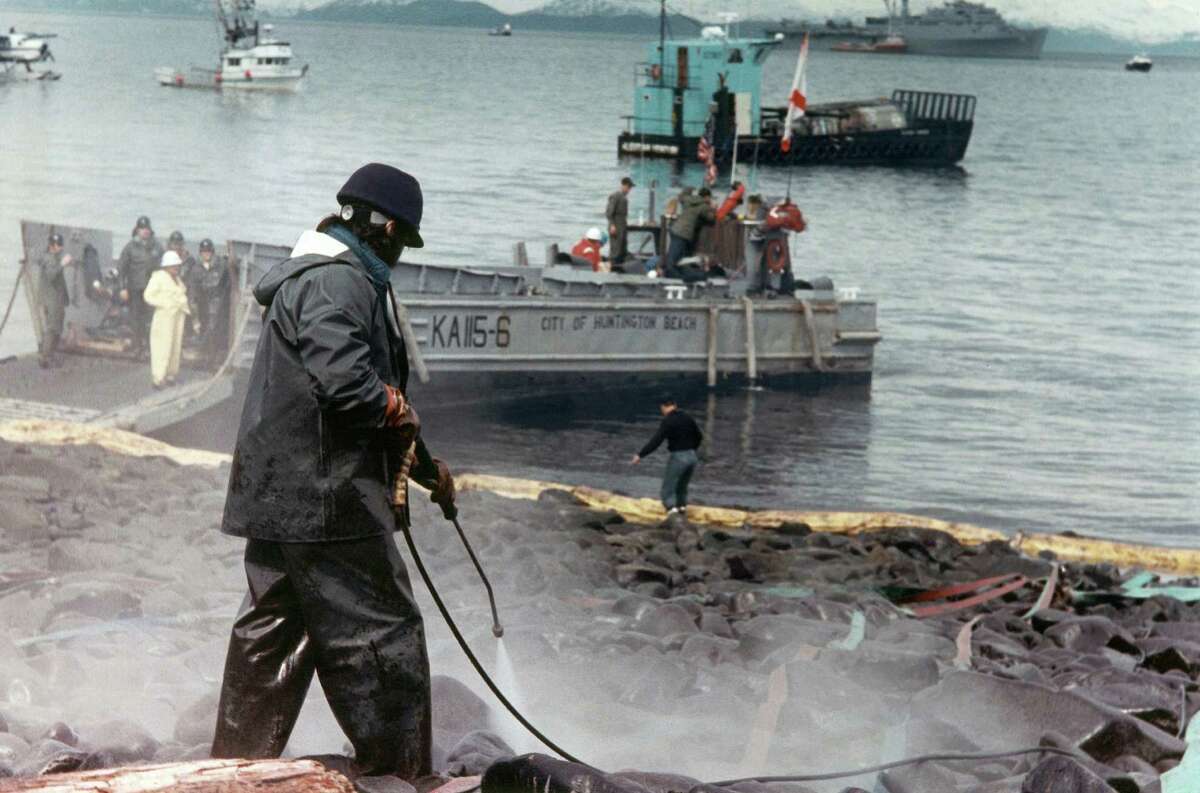
Oct 29, · “When you hear oil spill, everyone thinks Exxon Valdez,'' Zelien said, referring to the tanker that ran aground in in Prince William Sound, Alaska and spilled millions of gallons In , some scientists at the Gulf of Mexico Oil Spill and Ecosystem Science Conference said that as much as one-third of the oil may have mixed with deep ocean sediments, where it risks damage to ecosystems and commercial fisheries. In , more than 4,, lb (2, t) of "oiled material" was removed from the Louisiana coast The largest accidental oil spill in history began in the Gulf of Mexico on April 20, , after a surge of natural gas blasted through a cement well cap that had recently been installed to seal a well drilled by the Deepwater Horizon oil platform. The gas traveled up the rig’s riser to the platform, where it ignited, killing 11 workers and

No comments:
Post a Comment